 ESPEC North America, Inc. (Corporate office)
4141 Central Parkway
Hudsonville, MI 49426 USA ESPEC North America, Inc. (Colorado/Qualmark office)
12600 E. Smith Road
Aurora, CO 80011 USA
303-254-8800

There are three common ways of creating moisture for humidity control in test chambers. Let’s review they types and the benefits and limitations of each.
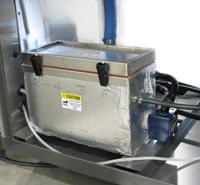 Type 1: “Steam Generator”
A steam generator is a tank with an immersion heater. As the water in the tank is heated, steam rises up a tube to the chamber’s mixing plenum (where the main heaters and cooling coil are). The chamber, based on humidity demand, controls the output of the heater.
Benefits:
Limitations:
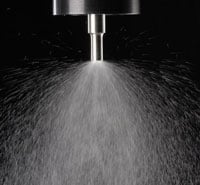 Type 2: “Atomizer”
Atomizers use a fine-spray nozzle to “atomize” the water. This is done in the mixing plenum. As the atomized water passes the chamber heater, it becomes heated to a gas.
Benefits:
Limitations
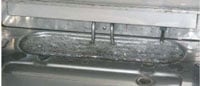 Type 3: “Water bath”
Like a steam generator, but not in an enclosed box. A small “bath” is located in the mixing plenum. As the chamber air is drawn into the plenum, it passes the bath, picking up vapor.
Benefits:
Limitations:
Now, you are wondering, which does ESPEC use? All three, depending on the application. For our standard chambers, we use the water bath system. For larger systems, we use the steam generator. And for certain low-temperature, high-humidity applications, we use the atomizer.
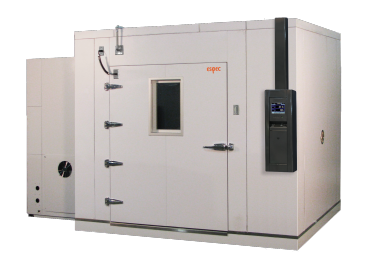
Standard and custom walk-in rooms deliver the temperature or humidity testing performance you need:
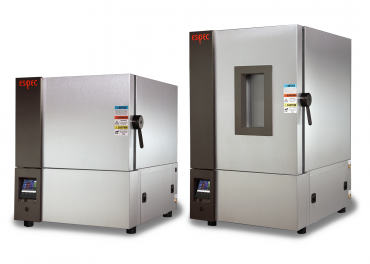
Twenty different benchtop models
ESPEC North America, Inc. (Corporate office)