 ESPEC North America, Inc. (Corporate office)
4141 Central Parkway
Hudsonville, MI 49426 USA ESPEC North America, Inc. (Colorado/Qualmark office)
12600 E. Smith Road
Aurora, CO 80011 USA
303-254-8800

There are two different systems for measuring humidity in environmental test chambers. One is analog, the other digital. But which is really better? Lets look at the pluses and minuses of each.
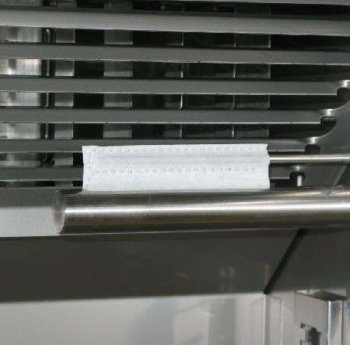 Analog method: wet bulb/dry bulb
A dry bulb is simply a dry thermocouple in the air (the word bulb refers to a thermometer bulb). A wet bulb is a thermocouple with a fabric “sock” or “wick” that is kept wet by hanging the end in a small tank of water. When the wet and dry bulbs are placed in the air-stream of the chamber, the wet bulb is colder because the water on it is constantly evaporating. The chamber controller compares the temperatures of the two thermocouples and calculates the relative humidity. It is a fundamental measurement method because it is a direct application of thermodynamic principles.
Wet-bulb Pluses:
Wet-bulb Minuses:
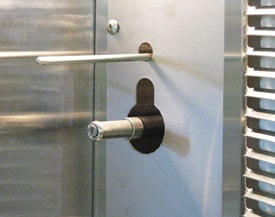 Digital method: solid-state sensor
As the name implies, the solid-state sensor is electronic. The sensor measures the electrical capacitance of a special material as it changes with the humidity. It has its own processor to interpret the capacitance change and then outputs a humidity value to the chamber controller. It is considered a secondary measurement method because it is based on the observed properties of the sensor material.
Solid-state Pluses:
Solid-state Minuses:
For the end-user, one of the primary interests is maintenance. Oftentimes a solid-state system sounds easier because you don’t have to worry about changing the wick. But instead you are adding an additional device that needs to be calibrated and maintained. Today, most chamber companies use solid-state sensors as standard, primarily because they are simpler to install and allow use of less-sophisticated controllers.
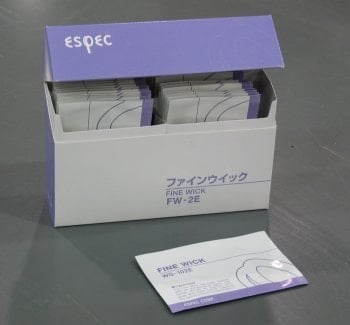 ESPEC uses wet/dry bulb on our standard chambers because it is more reliable and easy to maintain. ESPEC does offer solid-state systems where extreme conditions need to be measured, or if the wick location would be hard to get to.
We have perfected our wet-bulb system. We have wicks made especially for use with our chambers to provide long service and even ‘wetting’ because they are wide and flat. And we use only the most accurate humidity calculation method, not commonly available on other chamber controllers.
ESPEC North America, Inc. (Corporate office)